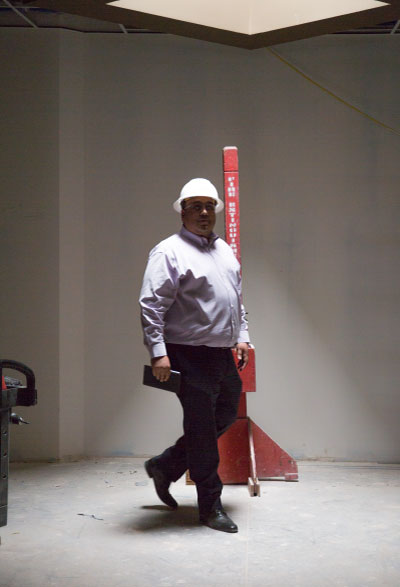
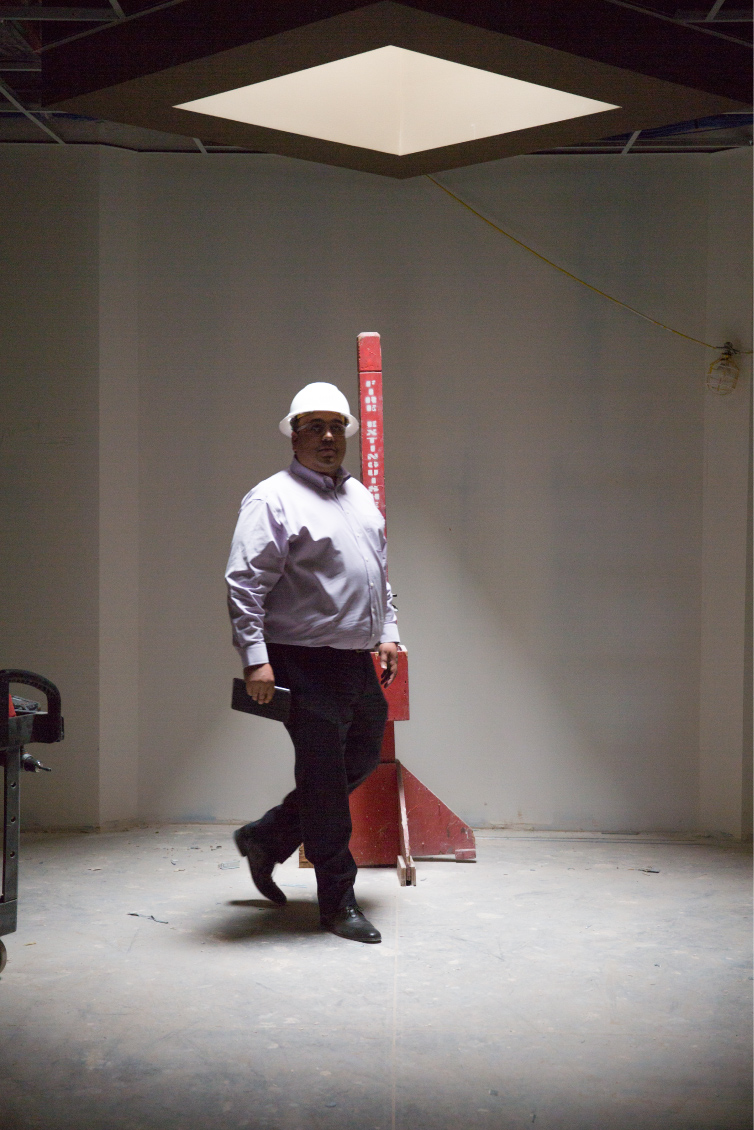
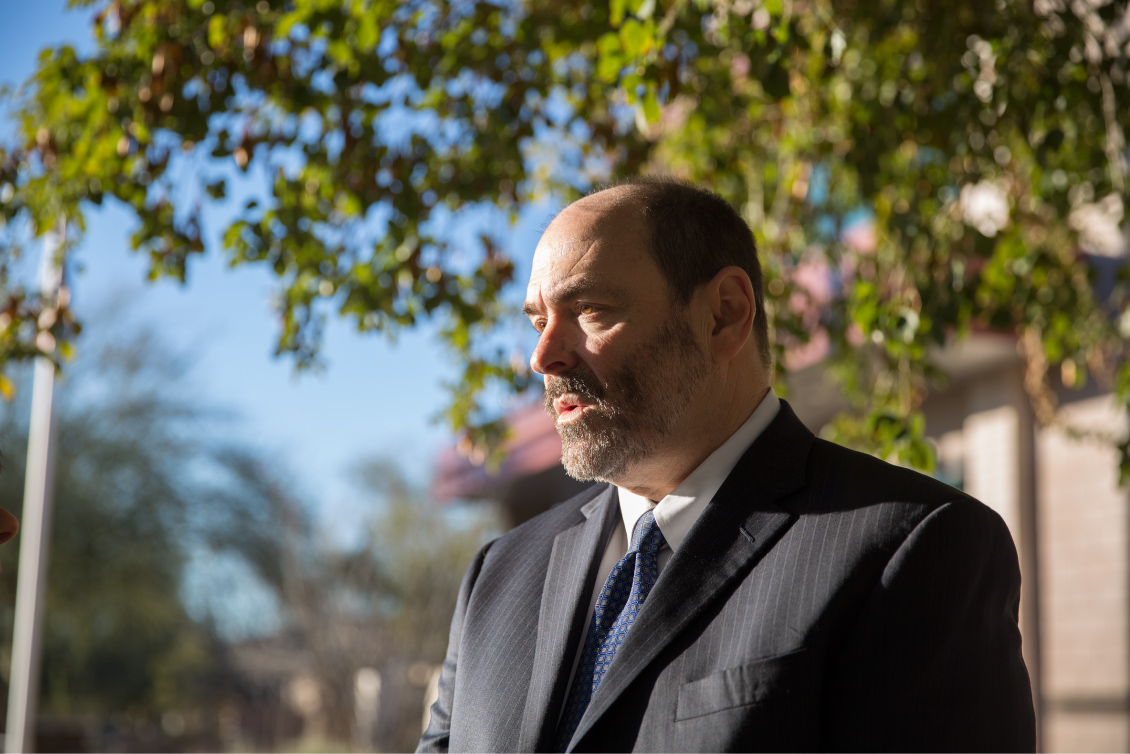
In 2009, Peoria acquired $1.3 million through the American Recovery and Reinvestment Act. Along with a slate of other green measures, including converting municipal office buildings and parks to LED lighting systems, the funds paid for LEED Green Associate and LEED AP training for 16 city staffers. Credentialed as a LEED AP in 2008, Striffler recruited other development- and operations-focused city employees to understand LEED as a language, an ethos, and a new, disciplined way of thinking about building design, construction, and operations. “In our extreme desert climate, there are only so many strategies that the electrical and mechanical engineers can implement within the limits of current technology,” Striffler says. “Under LEED, when passive building envelope strategies are implemented in combination with the technology, buildings begin to meet the mark in the LEED rating system. These strategies yield results, month after month.”
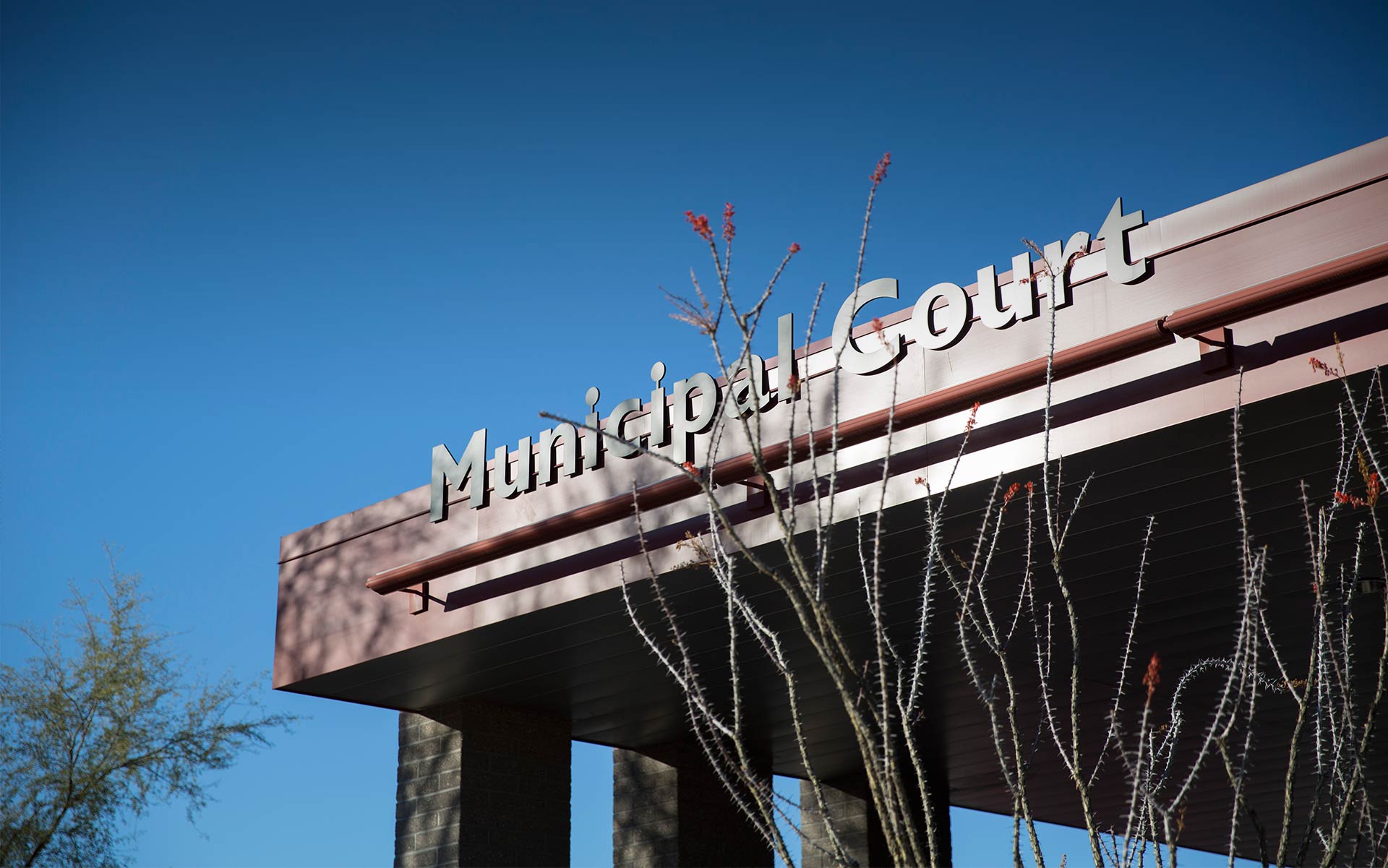
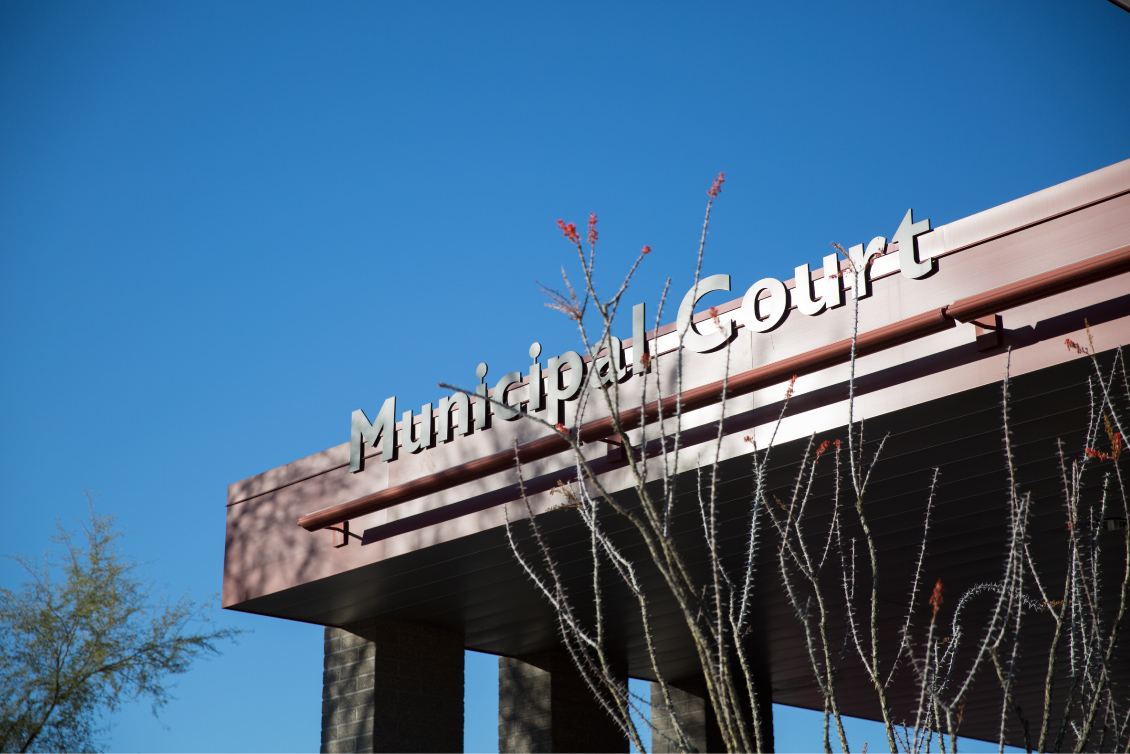
In short order, Peoria had become one of only three communities in Arizona, along with Flagstaff and Tucson, to implement a sustainability action plan, one key aspect of which mandated all of the city’s new construction projects and major renovations to meet LEED Silver standards, at minimum. The city began putting LEED principles into action by embarking on a two-year, $11 million upgrade of the 20-year-old Peoria Municipal Court, a renovation that involved adding 19,000 square feet of courtroom and administrative space. When the courthouse was LEED certified in 2011, it surpassed all expectations. “We achieved LEED Gold on our first try,” Striffler says. “And we looked at it and we said, ‘Wow—there’s a lot of design decisions we made that aren’t very different from what we’ve been doing.’ So we did it again, and again, and again, and now we have four LEED Gold buildings.”
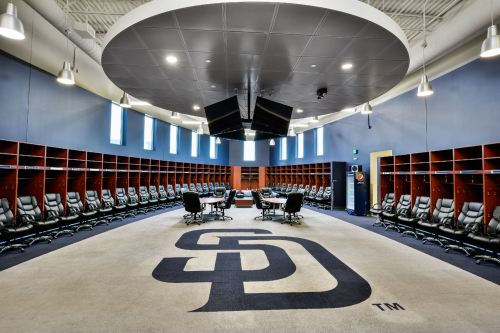
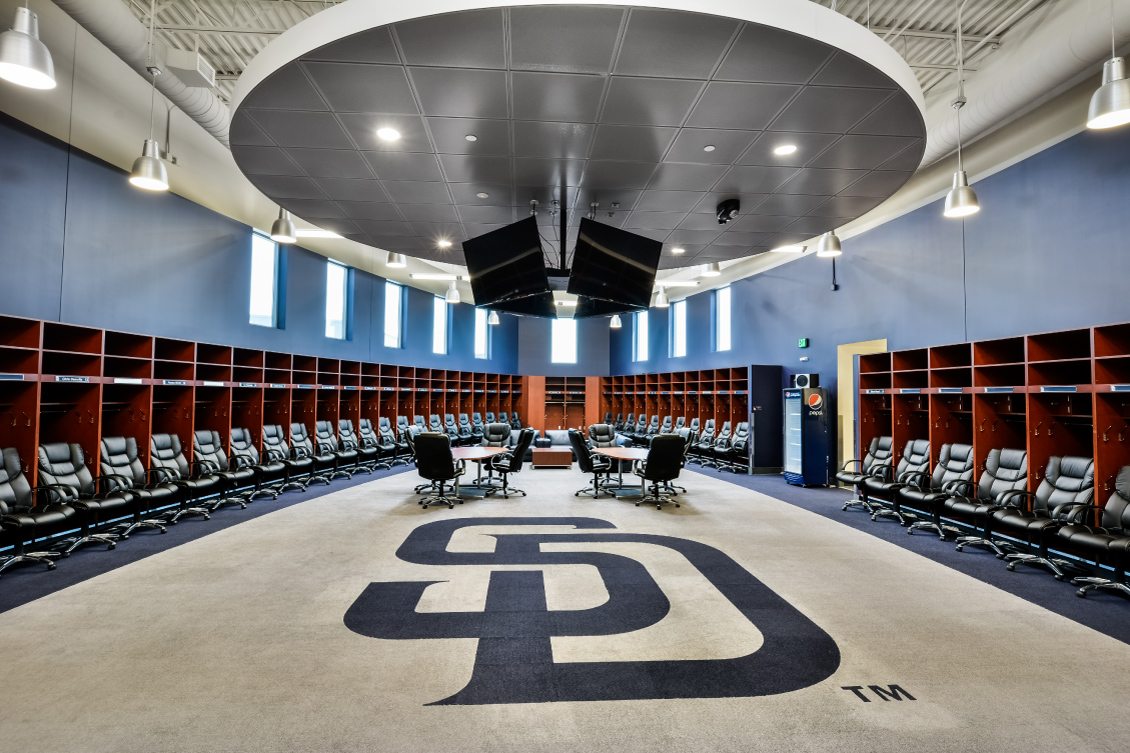
The San Diego Padres head to
Arizona for spring training each year. The
sports complex they practice in is LEED
Gold certified. Photo: StudioAsap.com
Those other projects include a complete renovation and expansion of a multigenerational community center and a pair of clubhouses at Peoria’s Sports Complex (both LEED Gold) for two MLB teams that head to Arizona for spring training: the San Diego Padres and the Seattle Mariners, the latter of whom chose to outfit their facility with a 345-kw solar array that stretches across the building and parking lot. “There was a competitiveness that developed between the Mariners and the Padres,” Striffler says. “We built both buildings identically from a systems standpoint, but the Padres facility remained just shy of the threshold of achieving a Gold rating. We found the Padres asking questions like, ‘Will it help if we get ENERGY STAR laundry equipment? Will it help if we adopt a green cleaning practice?’ That competition between two MLB teams in the arena of sustainable buildings was fascinating to watch.” Now, in designing a stadium for the Sports Complex from the ground up, Striffler is aiming for LEED Gold from the outset. “It’s a little bit contagious: When you achieve high [standards] the expectations remain high, so you continue to have to move the bar and perform,” Striffler says.
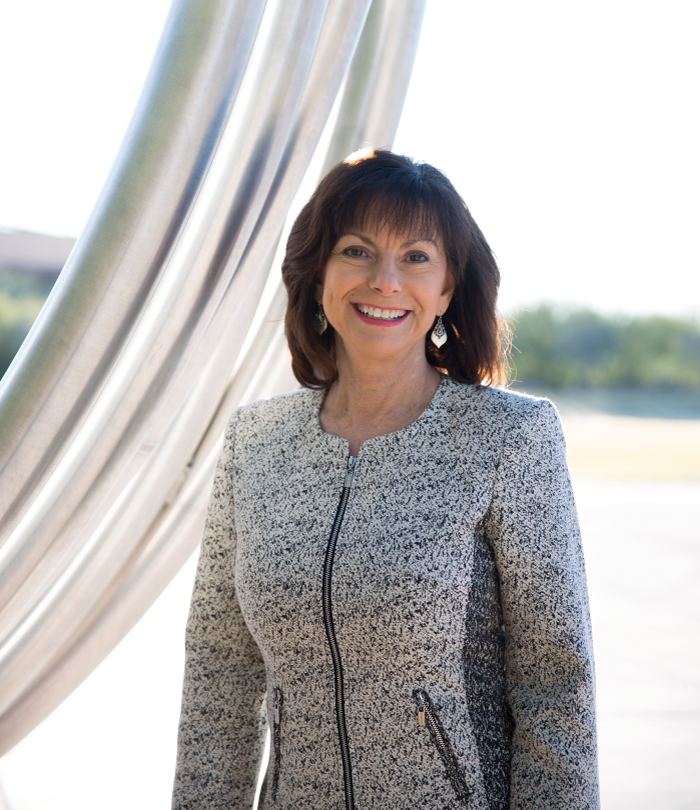
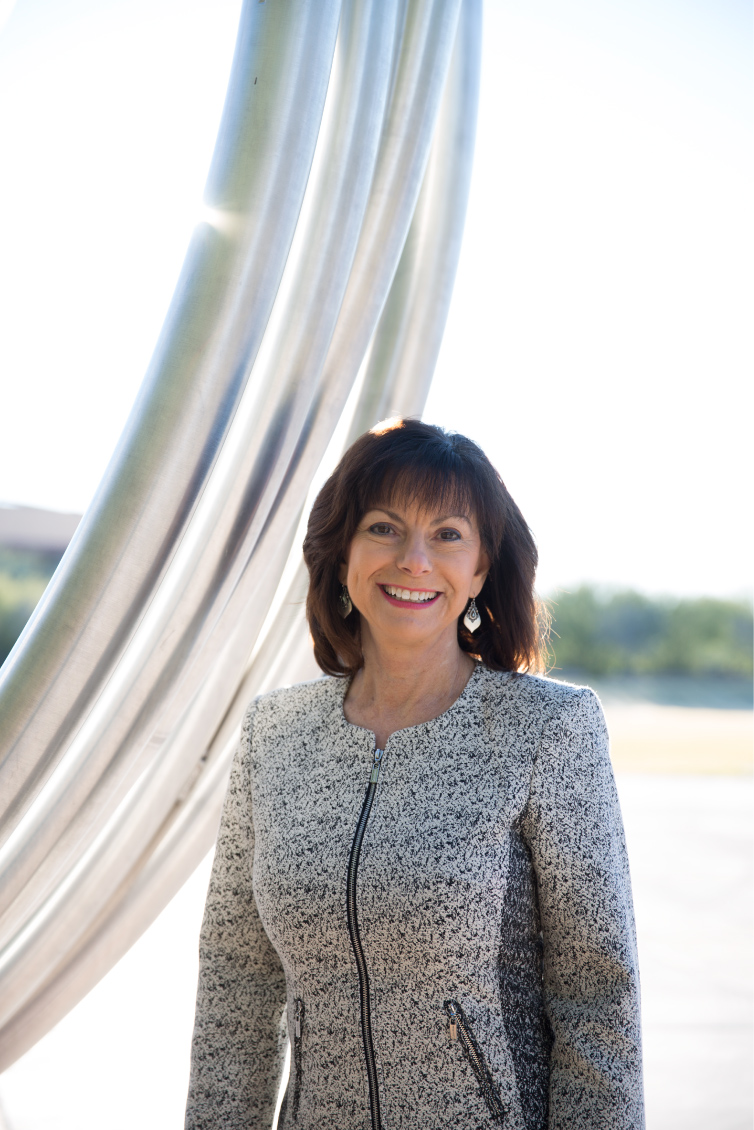
Peoria Mayor Cathy Carlat echoes that sentiment. “A priority of the city of Peoria is to advance our already outstanding quality of life for citizens, now and in the future. We have a responsibility now to our residents to use their hard-earned tax dollars in the most efficient way we can, but we also have a responsibility to our future residents to set the example and establish a culture of forward-thinking stewardship of our resources.”
Today, Arizona’s embrace of LEED shows no signs of abating. In fact, as part of a larger sustainability movement, it’s essential for life. “Sustainability needs to be at the forefront of everyone’s minds,” says Gonzalez, the chair of USGBC Arizona. “We have finite resources, and we need to make sure that future generations can benefit from living in the state.” But in a place that sees 300 days of sunshine a year, if becoming a LEED-driven state is an indication of what’s to come, Arizona’s future looks brighter than ever.