Chicago
The large corporations headquartered in Chicagoland are helping to drive sustainable practices in the city and region—and throughout the country, too.
In Evanston, Illinois, the Chicago suburb where Northwestern University is located, sits a Walgreens pharmacy with 850 solar panels on its roof, a 550-foot-deep geothermal system, and two wind turbines.
The Walgreens, which opened in the fall of 2013 and is believed to be the nation’s first net zero energy store (producing more energy than it uses), is a bold statement. But as the practices and lessons from that store filter through the company’s other 8,000 locations, that bold statement will turn into a deep impact.
Walgreens (based in Deerfield, Illinois) is one of dozens of large corporations headquartered in and around the centrally located Windy City, and many of these businesses have active sustainability programs and have taken a leadership role in green building and other environmental practices in Chicago. But that influence doesn’t stop at the shores of Lake Michigan. Fortune 500 companies have tentacles that stretch into far-off corners of the country, and what’s learned in Chicago often ends up lowering the electricity bill, reducing emissions, and providing healthier workplaces in locations from coast to coast.
Walgreens, for example, only has the single net-zero-energy store, but the company has been working on solar panel projects since 2007 and now has 150 solar installations in California, Illinois, Oregon, Ohio, Connecticut, and New Jersey.
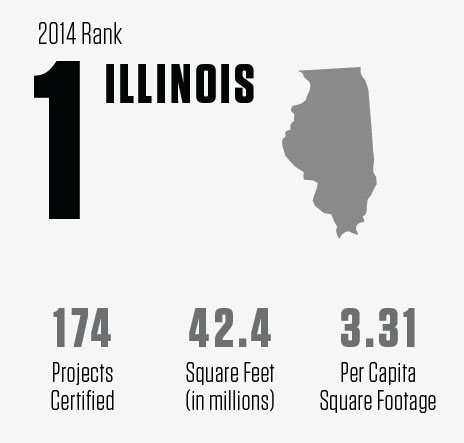
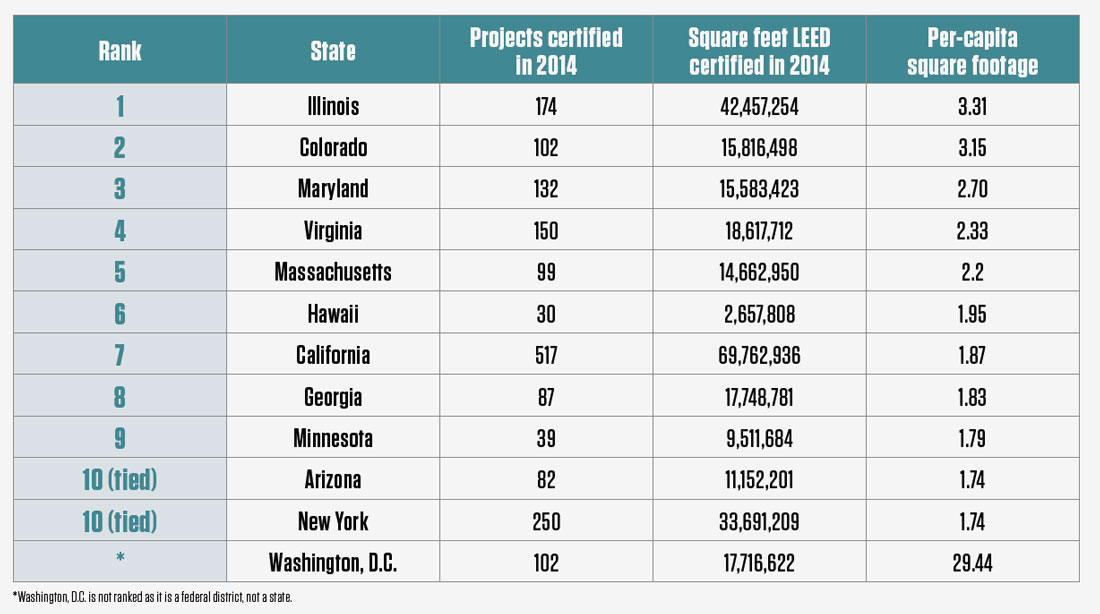
“Illinois is a national leader in green building in large part because of corporations headquartered in Illinois who have made sustainability a big part of their business plan,” says Brian Imus, executive director for the Illinois Chapter of USGBC.
Ari Kobb, the Illinois Chapter board chairman and the director of sustainability and green building solutions for Siemens Industry, Inc., sees power in the partnership between Chicago’s green building professionals, big businesses, public officials, and nonprofit organizations. “For me, there’s a certain Midwestern nature of things, which is collaborative,” Kobb says. “There’s this connectivity. It’s about working together to achieve things.”
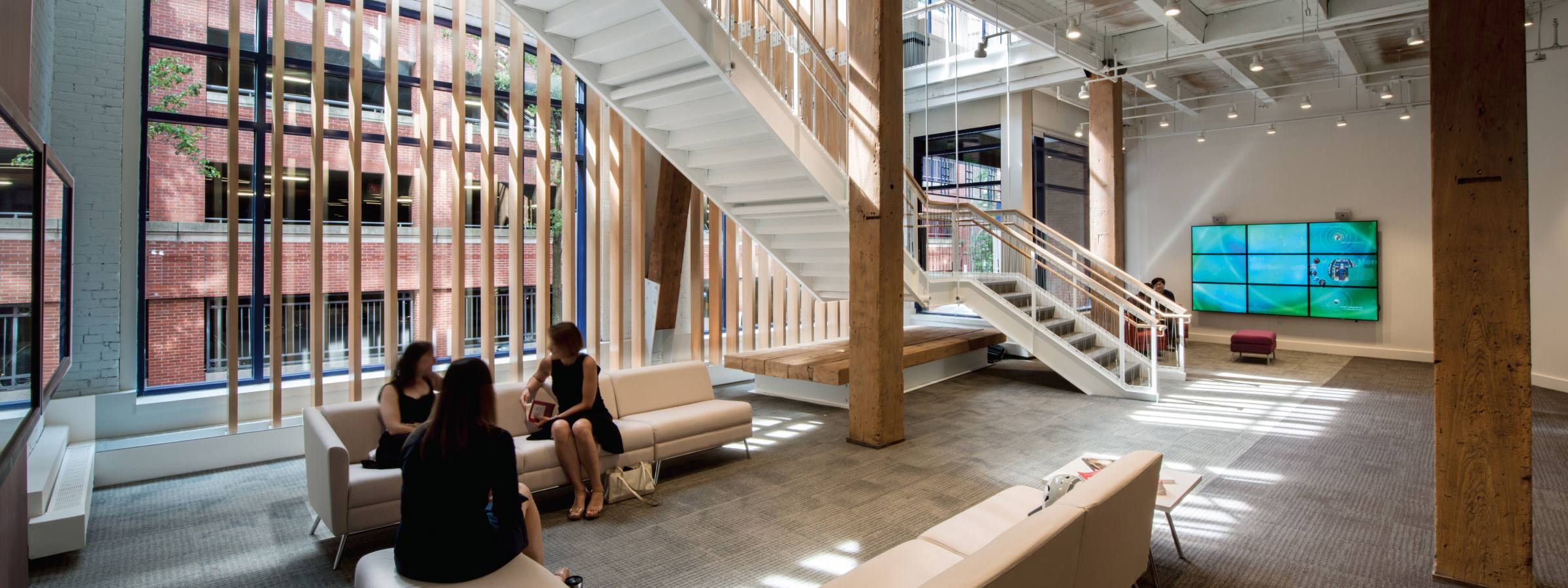
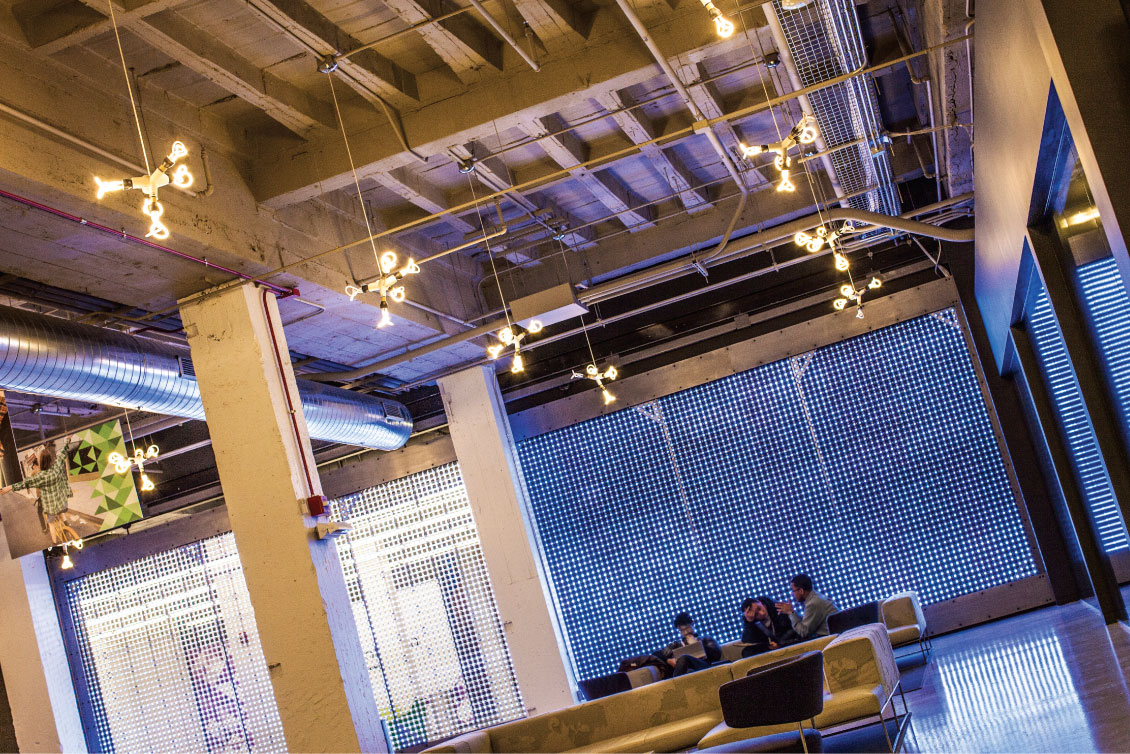
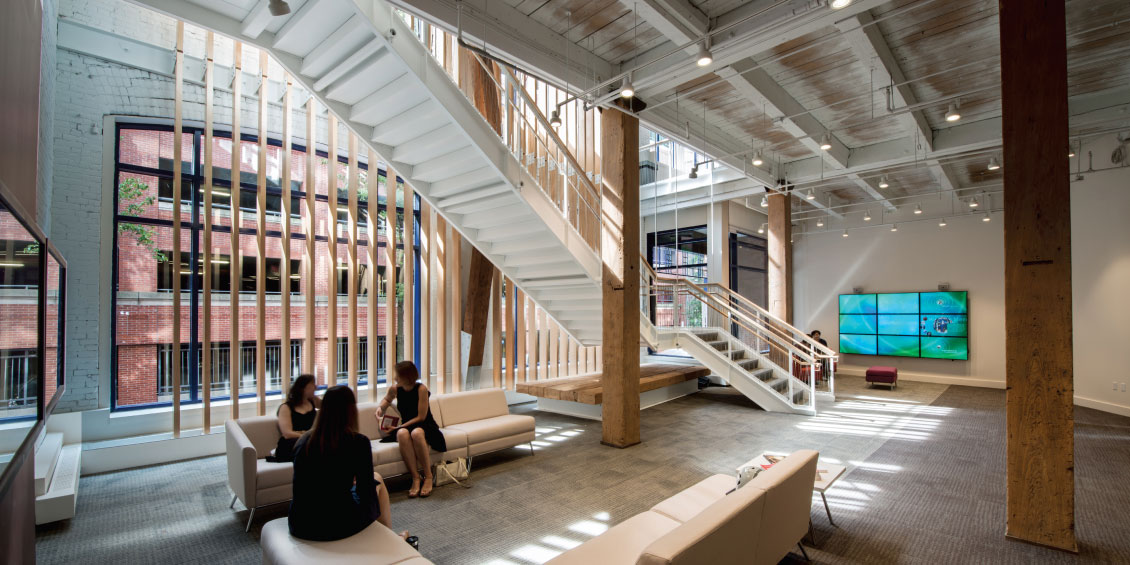
Last spring, Motorola Mobility moved its headquarters nearly 40 miles south from suburban Libertyville to the historic Merchandise Mart building in downtown Chicago. The 600,000-square-foot space, which takes up most of four floors of the building, is the largest LEED Platinum site in the city, says Bill Olson, the company’s director of sustainability and stewardship.
“This isn’t just an office space,” Olson says. “We relocated all of our labs and engineering. It was quite the move. It wasn’t just people.”
Construction crews gutted the space and used reclaimed materials to build parts of the offices. They painted directly over the concrete, even leaving a few holes in the walls—an intentional move, Olson is quick to point out.
“It would have been cheaper and easier if they’d just put a bunch of wallboard up, but they kept as much of the original walls as possible,” he says. “They did that to celebrate the history of the building, and also to not use a lot of extra material. It gives the space a lot of character.”
“There are also payoffs from an employee perspective,” Olson adds. “They get to come in and enjoy this world-class environment. We think that employees will be more productive, and happier, and enjoy this space more, than if we’d come in and just put up wallboard everywhere.”
On a more global scale, Motorola was the first company to use recycled content plastic in cell phones, a practice that is now widespread.
Olson says it’s a “misconception” that big businesses don’t care about the environment. “Motorola has always cared about the workplace, and their employees, and the communities they live in,” he says. “When you become operationally more efficient, it costs less money to heat and cool your building. That’s a good business practice.”
At the Lake Forest, Illinois-based W.W. Grainger, Inc., which distributes industrial supplies, executives are also hoping that sustainable practices give them a business edge, in addition to aligning with the company’s values. Jeff Rehm, senior manager of corporate facilities and global sustainability, says that clients often ask about the company’s green practices during the bidding process.
“It’s difficult to quantify [the business impact],” Rehm says. “But it’s something that we get asked about, and we feel like we have a really good story to tell.”
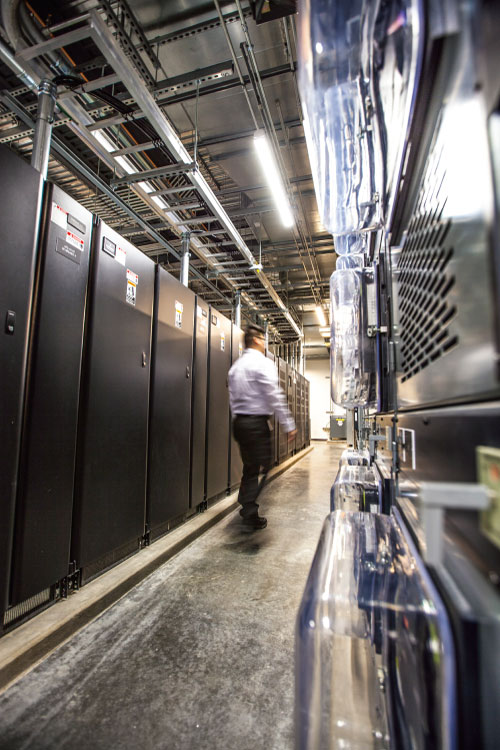
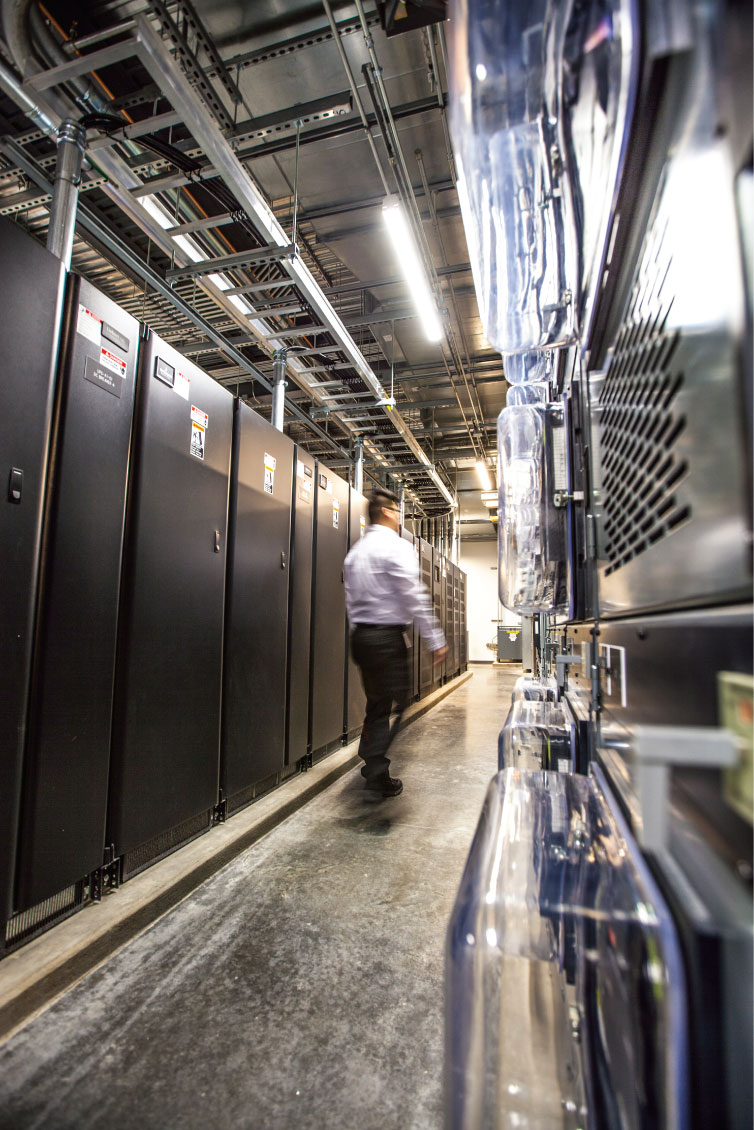
Part of that story is how Grainger pursues LEED certification for all of its newly constructed buildings, including the first data center in the world certified under the new LEED v4 guidelines. The LEED Gold facility at the company’s headquarters uses about half as much energy for cooling as comparable data centers.
Certainly, that results in an operational cost savings for the company, but Rehm says Grainger’s commitment to sustainability goes deeper than that.
“Grainger has been around for 87 years,” he says. “We want to be around for another 87 years, and then some. This is the planet where we plan to do business, so we want to take care of it.”