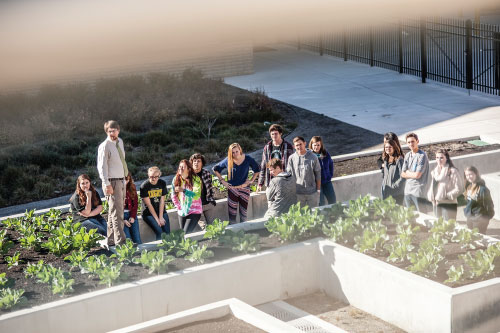
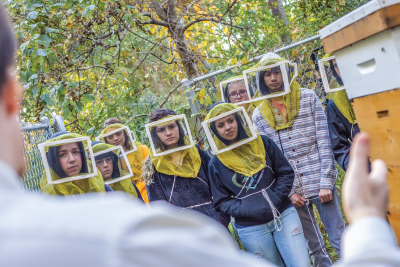
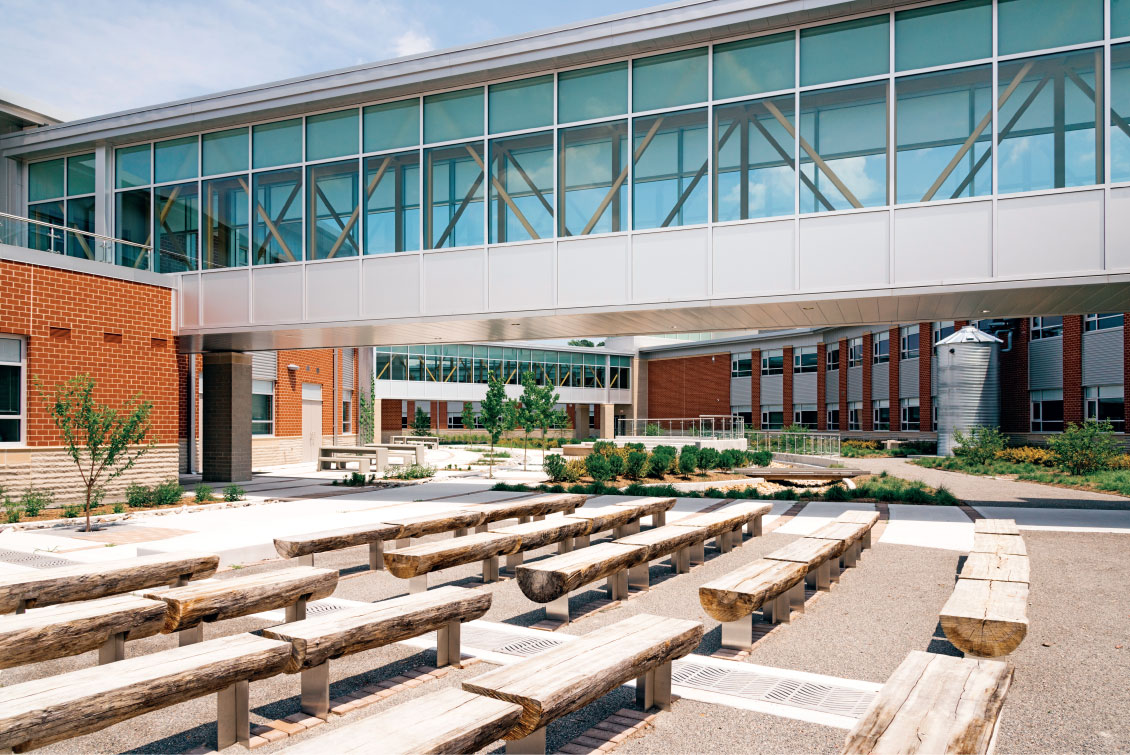
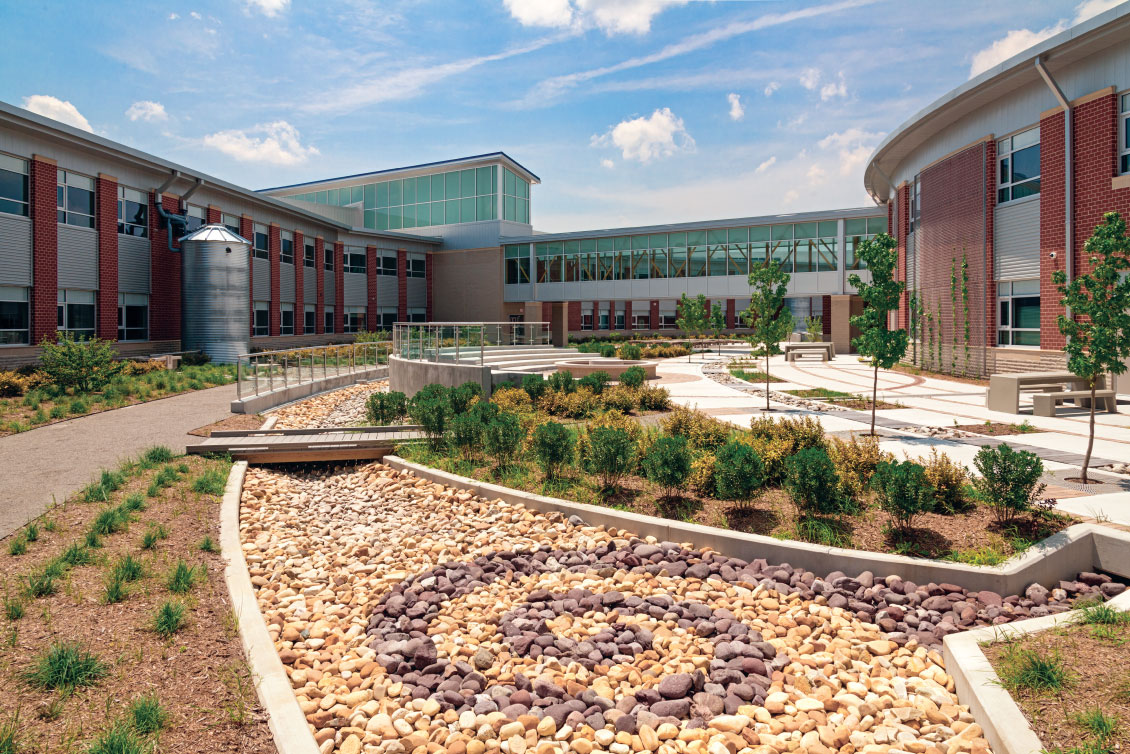
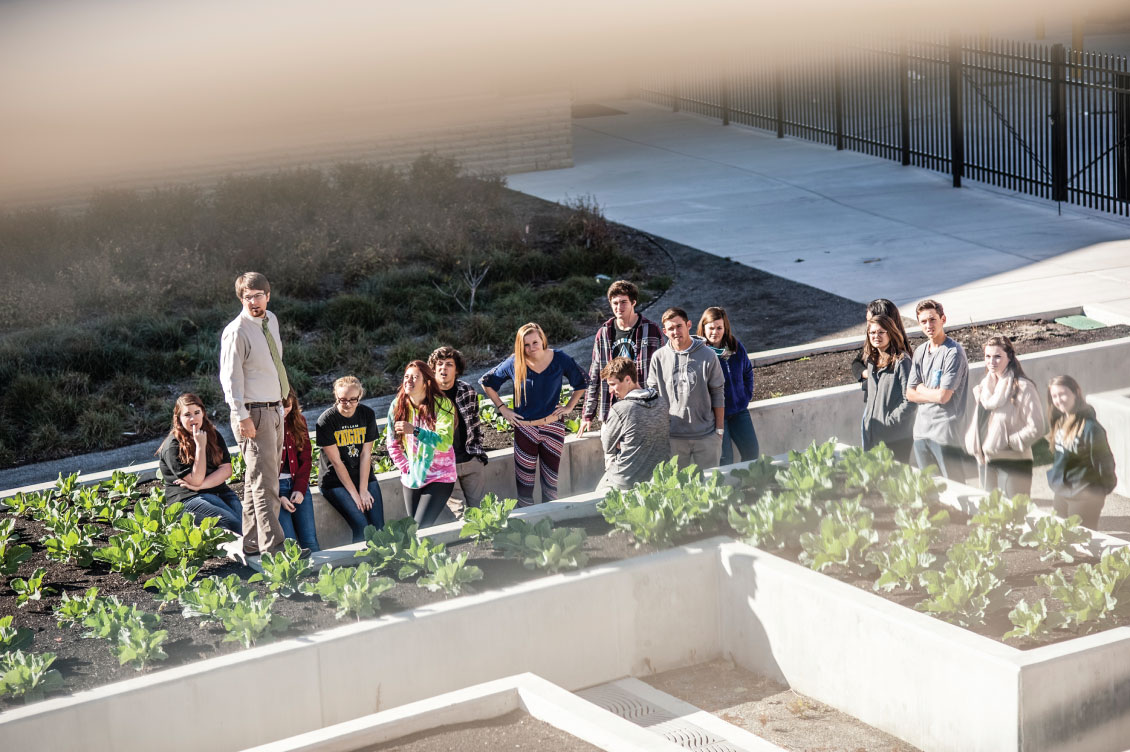
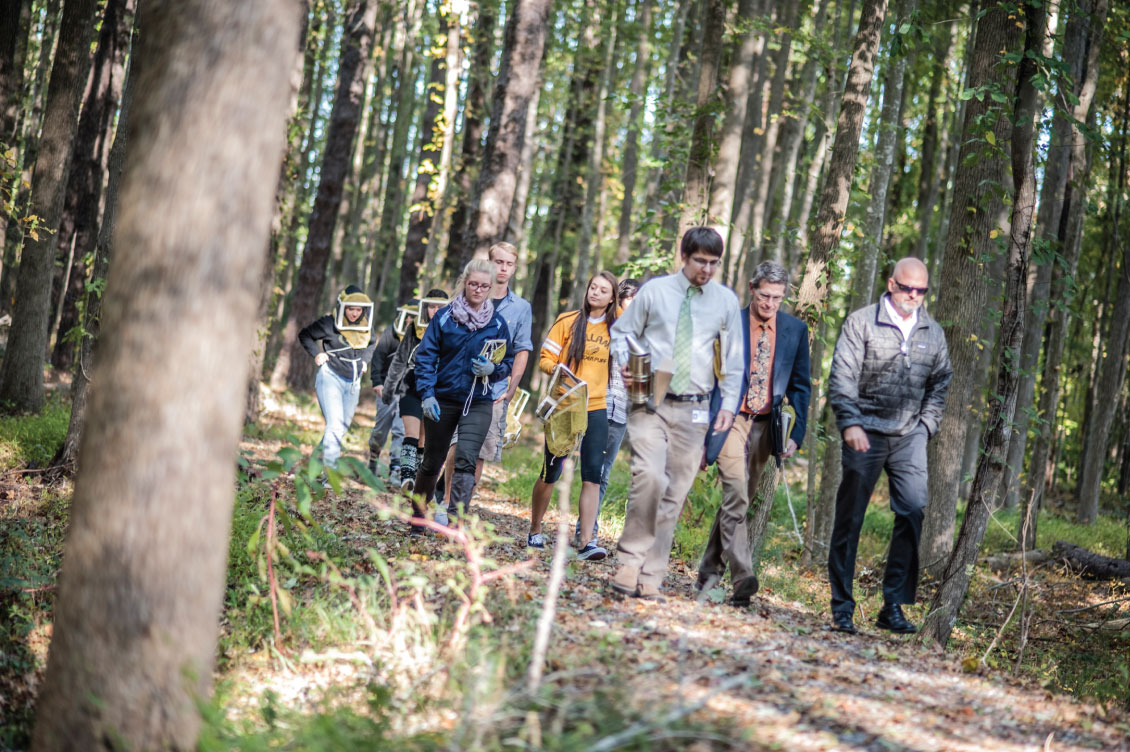
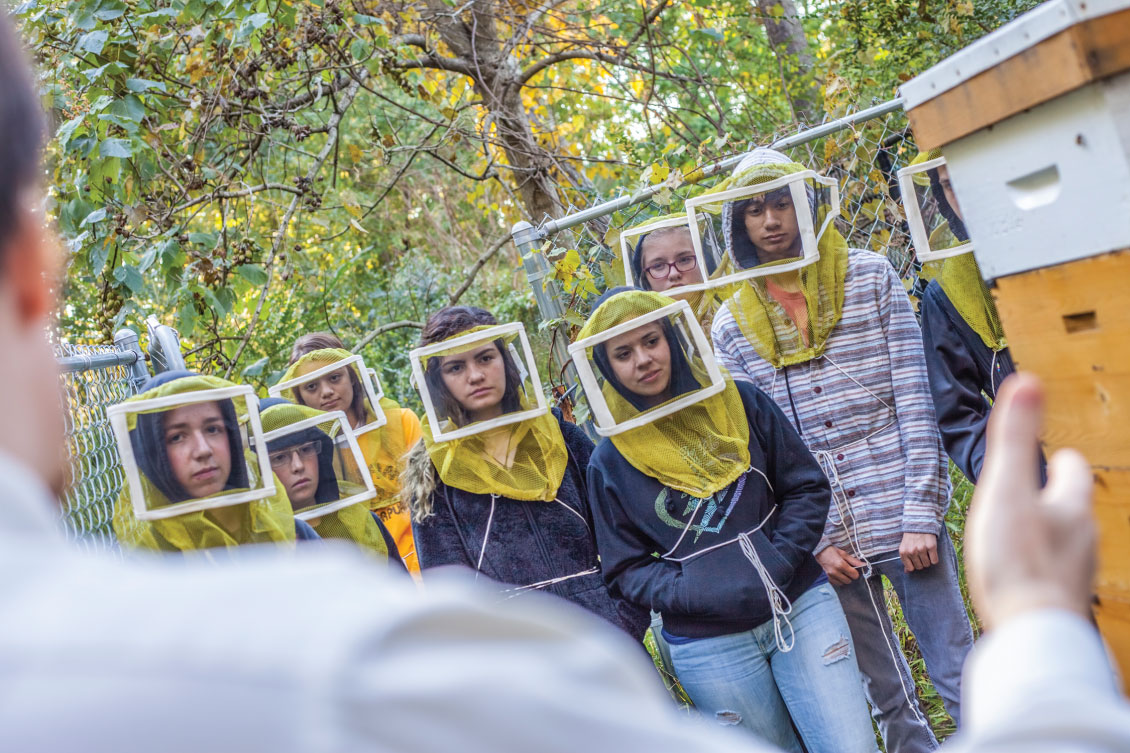
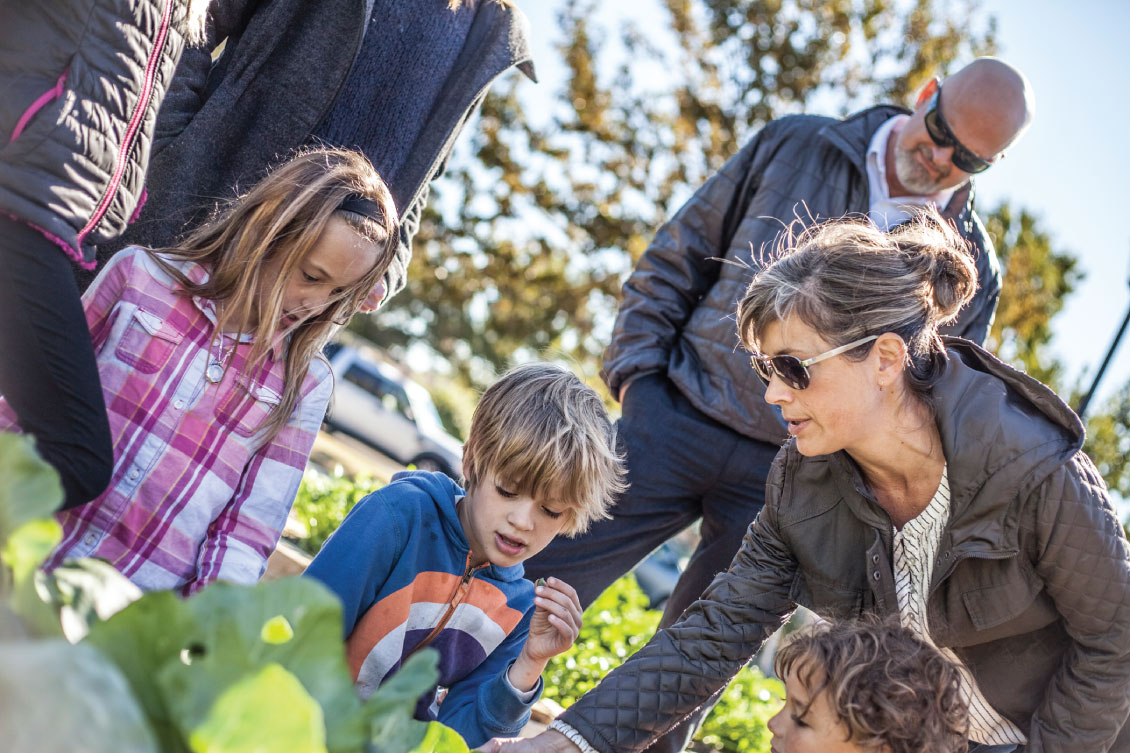
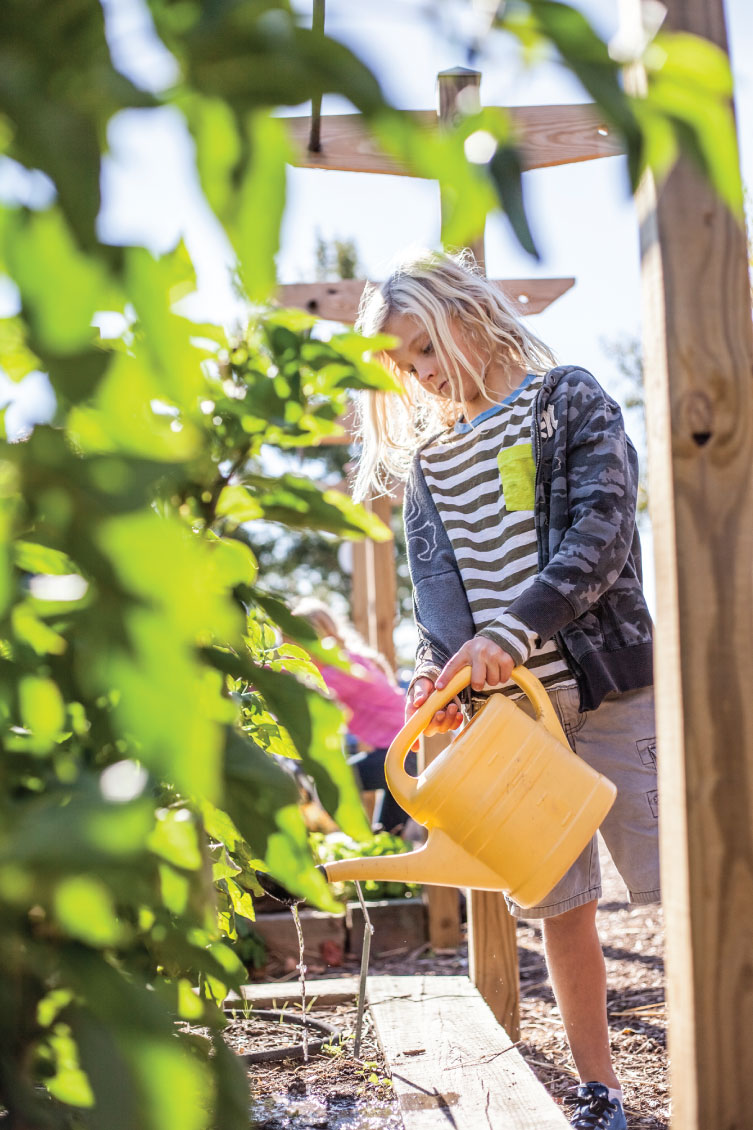
the help of previous students) to capture and reuse rainwater. Architects have visited several other schools to explain to young children exactly how their heating and lighting systems save energy, and Cole himself recently Skyped into a classroom from a construction site, explaining the new school’s sustainable features to its pint-sized future occupants. Officials are hoping to do more, including adding a new two-year course of study centered on renewable technologies for interested students.
But why bother connecting construction with curriculum? Sure, Virginia Beach’s LEED buildings help the environment and save the school district money on its water and energy bills, but the state’s standardized tests don’t ask questions about solar panels and low-flow toilets. Why not skip the stuff about green building and squeeze in five extra minutes of math or literacy test prep, instead?
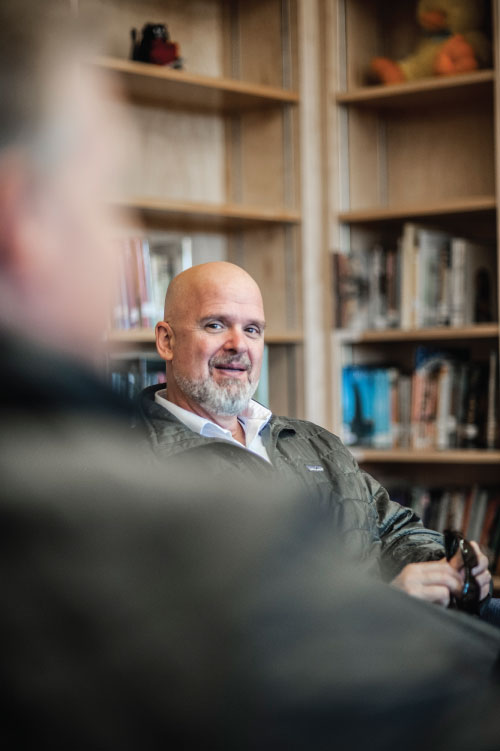
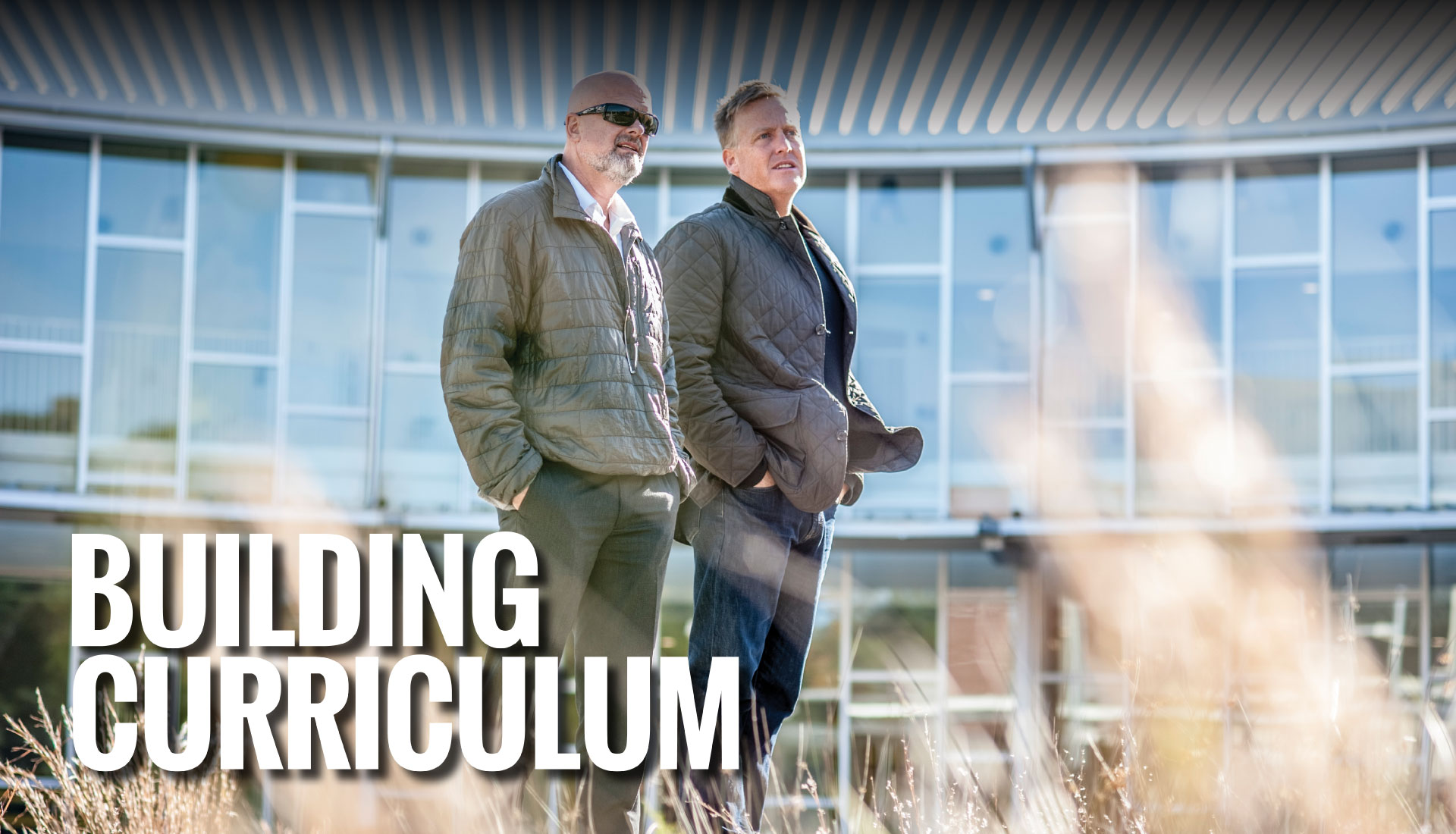
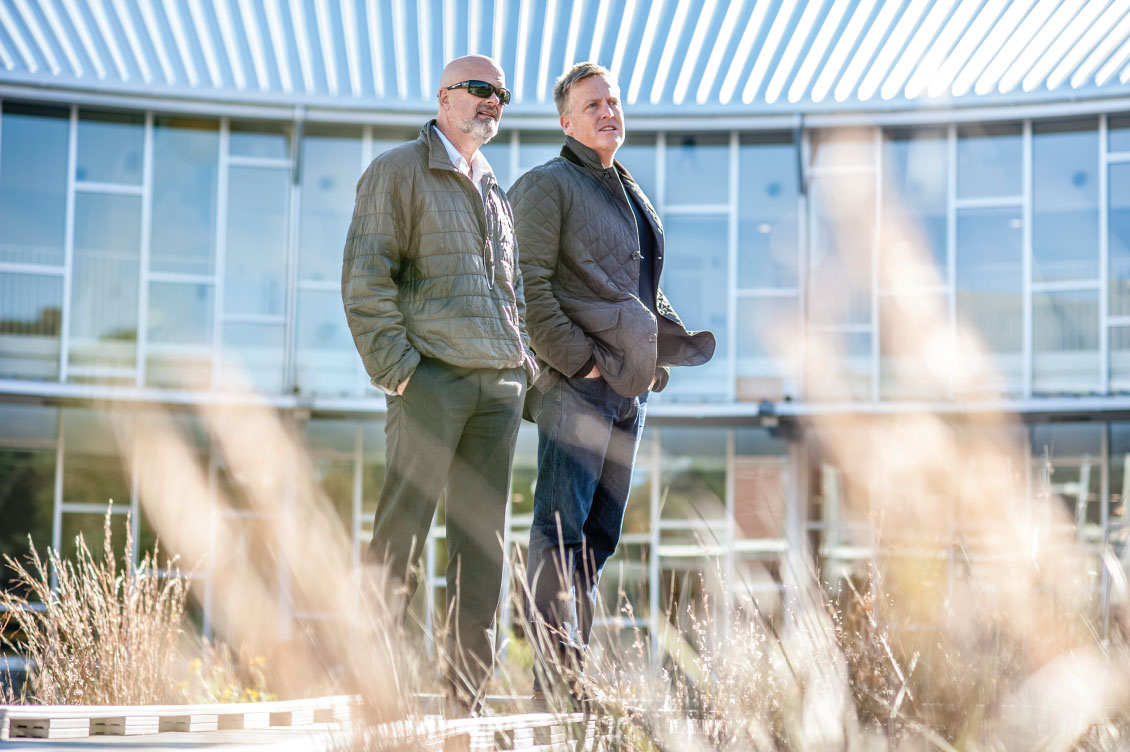
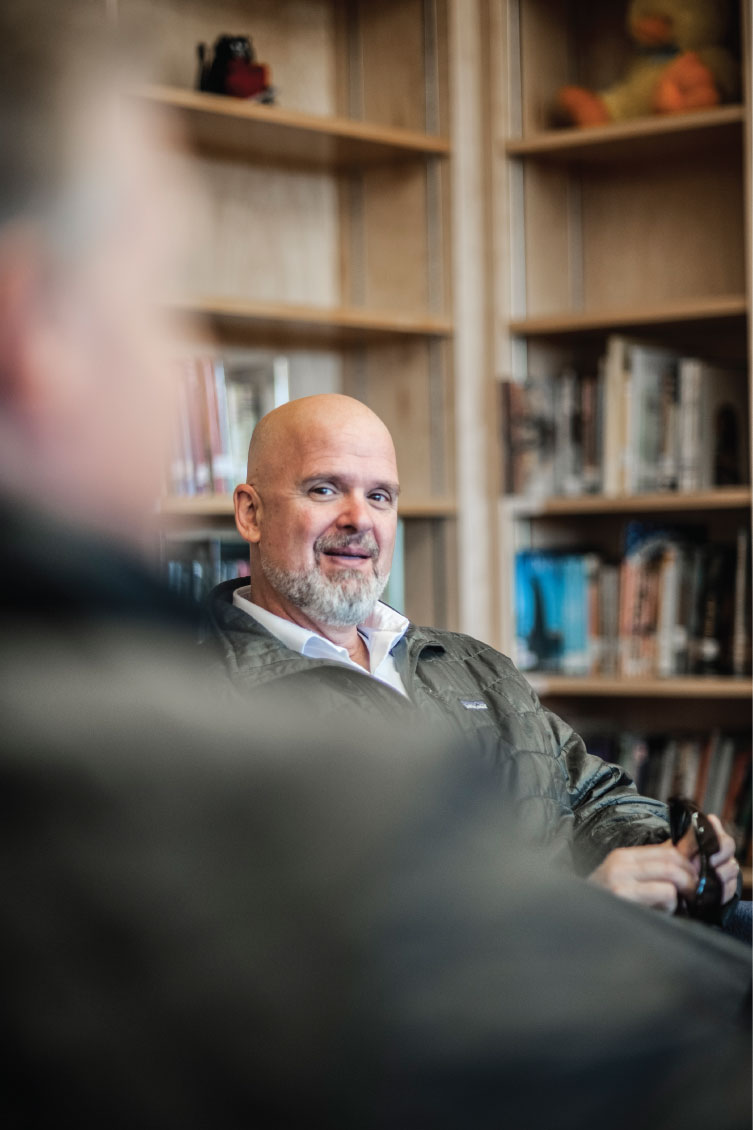
Tim Cole shares his vision for building sustainable generations.
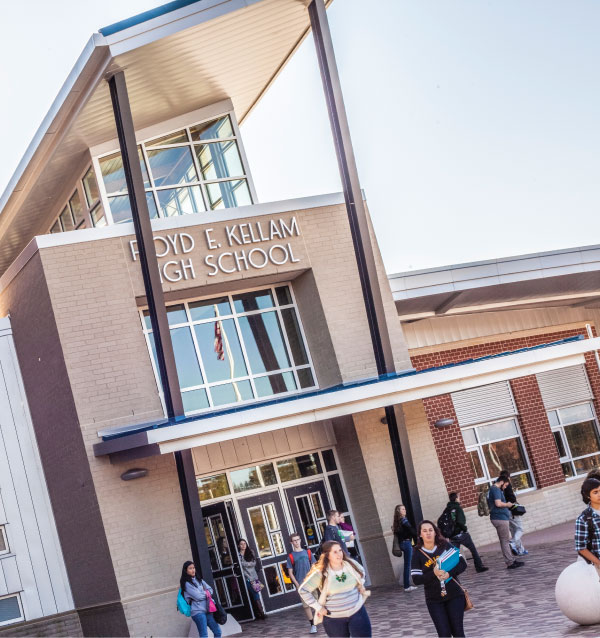
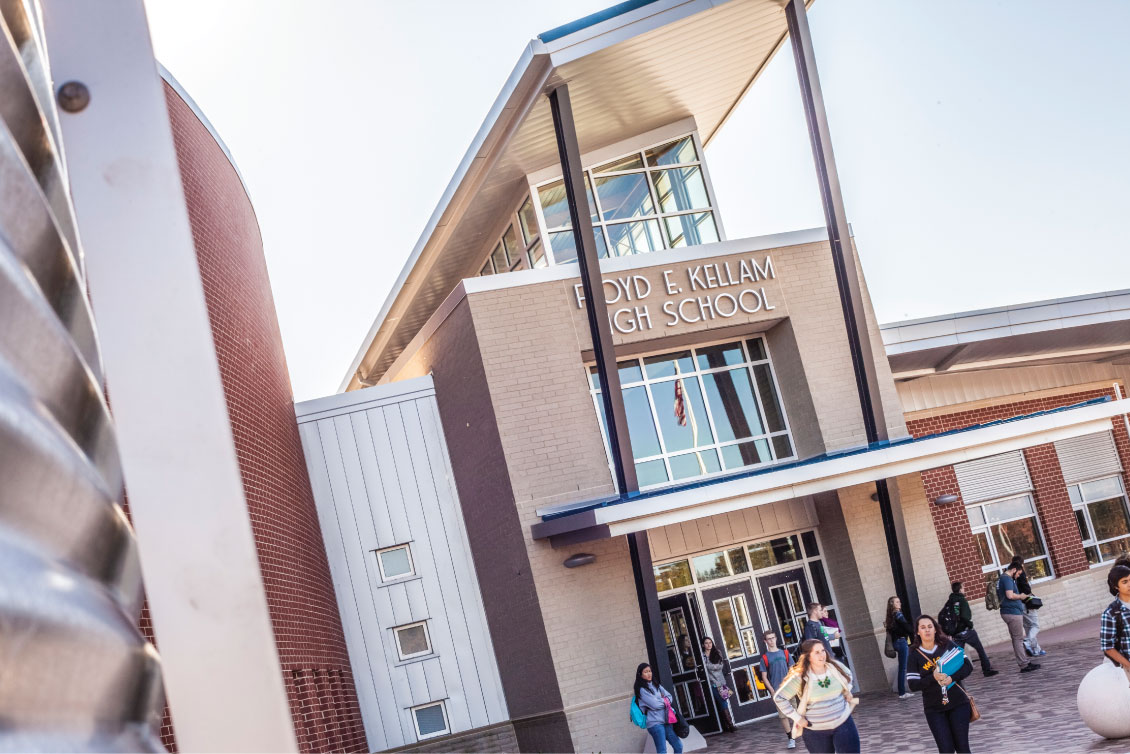
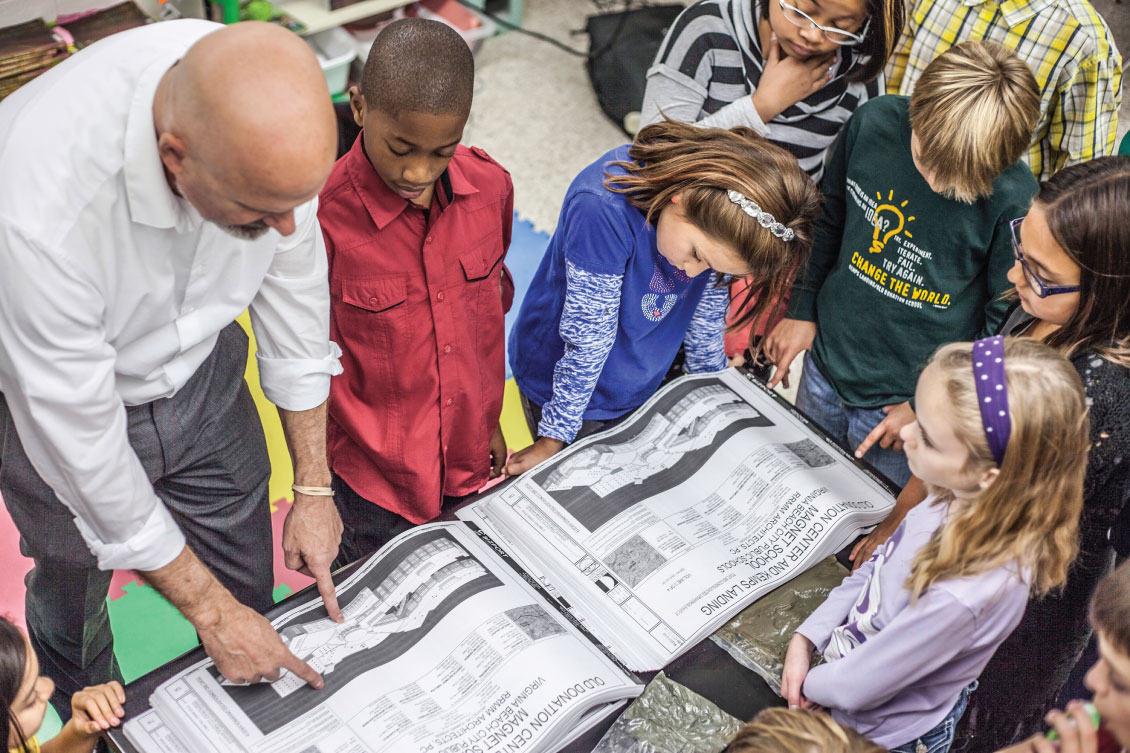
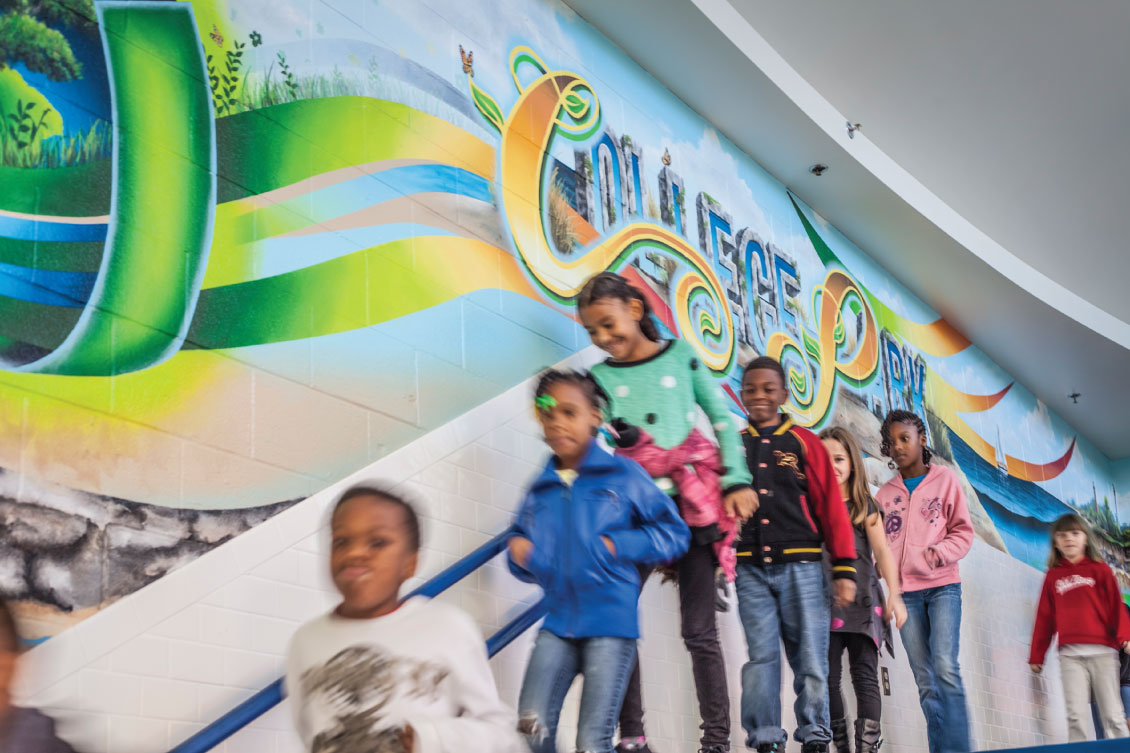
For one, the emphasis on sustainability provides educators with an opportunity to make connections across different content areas, helping students dig deep with real-world examples and project-based assignments. An English teacher might assign reading materials on climate change, for instance, while math and science teachers cover the more technical aspects of the topic, and a social studies teacher leads discussions about the societal causes and consequences of a warming planet. (Kellam was designed specifically with this sort of teaching in mind, with built-in collaboration space for teachers and movable dividing walls that allow teachers to consolidate their classes.)
Sustainability isn’t merely a means to teach other subjects, though. Virginia Beach officials consider the topic essential on its own—something students need to learn about to prepare them for the future. “We’re raising good stewards of the planet,” says James Pohl, executive director of secondary teaching and learning for the district. “Instead of, let’s build better drills that go deeper in the ocean, it’s let’s see how we can avoid doing that.”
“If we can develop students who have that mindset,” he adds, “who knows what they’ll create in the future?”
For a large organization like the Virginia Beach schools to fully embrace sustainable development, it needs at least one person to agitate, to advocate, to keep bringing up stormwater retention and operable windows and low-VOC paints until everyone else finally buys in, too. In Virgina Beach, that person is Tim Cole.
The former Navy SEAL came to the district as a project manager in 2001 after a stint in the private sector. (When he left the SEALs, he considered becoming either an architect or a stuntman. His wife insisted on the relative safety of the drafting table, although with his shaved head he might still be able to stand in for Bruce Willis in a pinch.)
Hermitage Elementary School was one of Cole’s first projects in Virginia Beach, and the building was already budgeted before he came to the district. “We talked to the architects and engineers and said, ‘We’d like to see if we can make this a LEED building, here’s our budget,’” Cole says. “It wasn’t budgeted for LEED, but let’s see what we can do.”
As a SEAL, Cole says he had to be constantly aware of his environment (which, he says, was usually “cold, wet, and miserable”), and so his current focus on the built environment makes a certain sort of sense to him. “Most SEALs are good at solving problems,” he says. “You have a small group of dedicated guys who are able to overcome much larger odds. To me, it’s very much in line with sustainability. It’s a daunting problem, so it was an interesting challenge.”
Cole wasn’t around when Hermitage opened as Virginia’s first LEED-certified elementary school in 2005. After the terror attacks of September 11, 2001, he’d re-enlisted in the military, signing up for the Navy Reserve, and now he’d been called up for a tour in Iraq. When he returned home, Virginia Beach had three more school construction projects underway, and Cole asked whether the projects were on track for LEED certification. They weren’t.
“An interesting discussion came out of that,” Cole says. School officials had talked about the possibility of incorporating green elements into buildings without perusing formal certification, but Cole came to realize that those sustainable features tended to fall by the wayside unless there was a mechanism in place to ensure accountability. “People say, we’ll design for LEED, but if no one is tracking it, they’re really loose about it. You’re not getting the same building. To say you’re not going to pay $5,000 at the end to get the plaque, in a $50 million or $100 million project, is asinine.”
Tony Arnold, director of facilities planning and construction for the Virginia Beach schools (and Cole’s boss), gives Cole credit for making the district a leader in sustainable development. “It’s a good example of what a difference one guy can make,” Arnold says. He paints a mental picture of Cole, the SEAL, “dropping out of a helicopter into an educational bureaucracy” and tackling his mission. “It takes a unique personality. You’ve got to be willing to take a little bit of a risk. Sustainable buildings are mainstream today, but when we started doing it, people weren’t talking about sustainability.”