

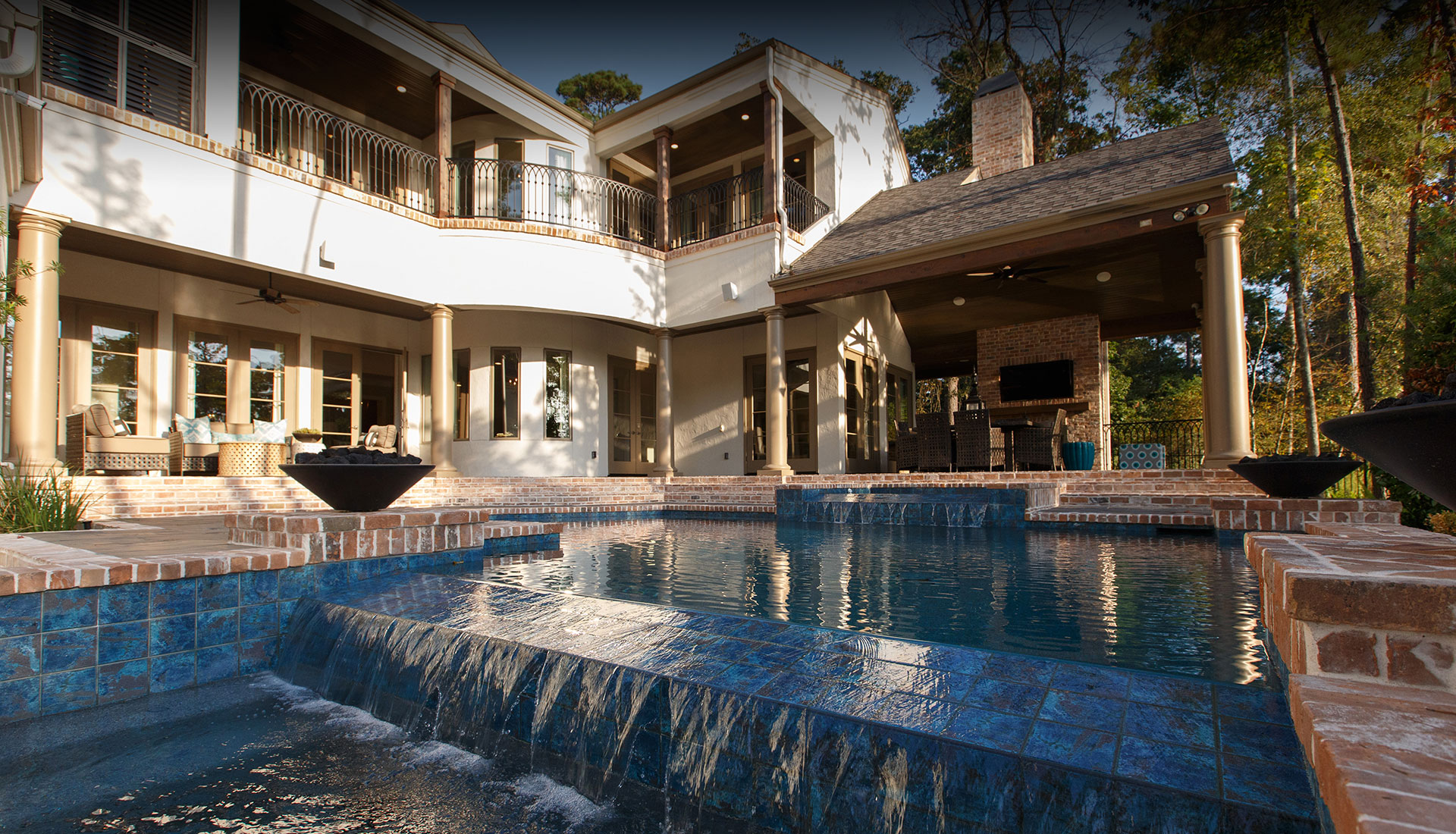

A pocket of affluent suburban neighborhoods in oil-rich Houston wouldn’t likely pop up on most people’s radar as a hotbed of construction for LEED-certified homes. Seattle or Portland, Oregon, might come to mind first.
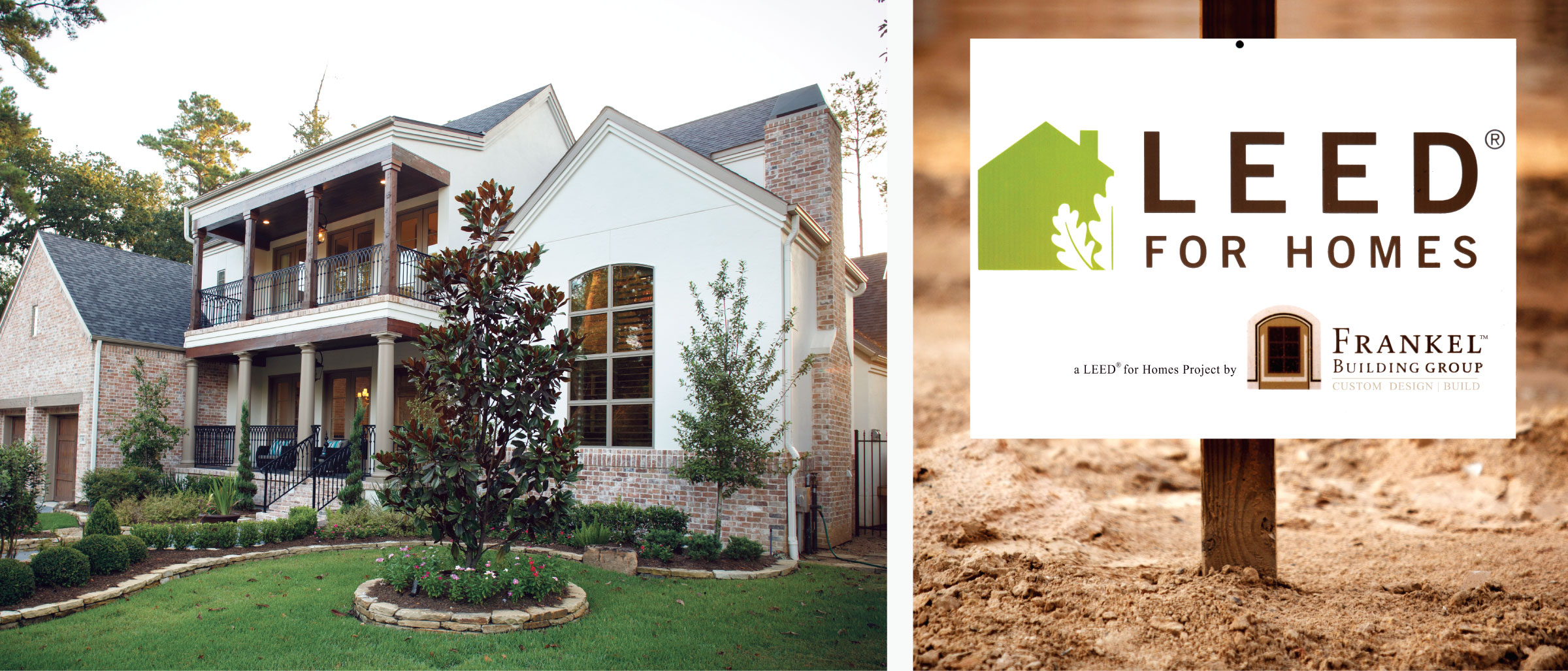
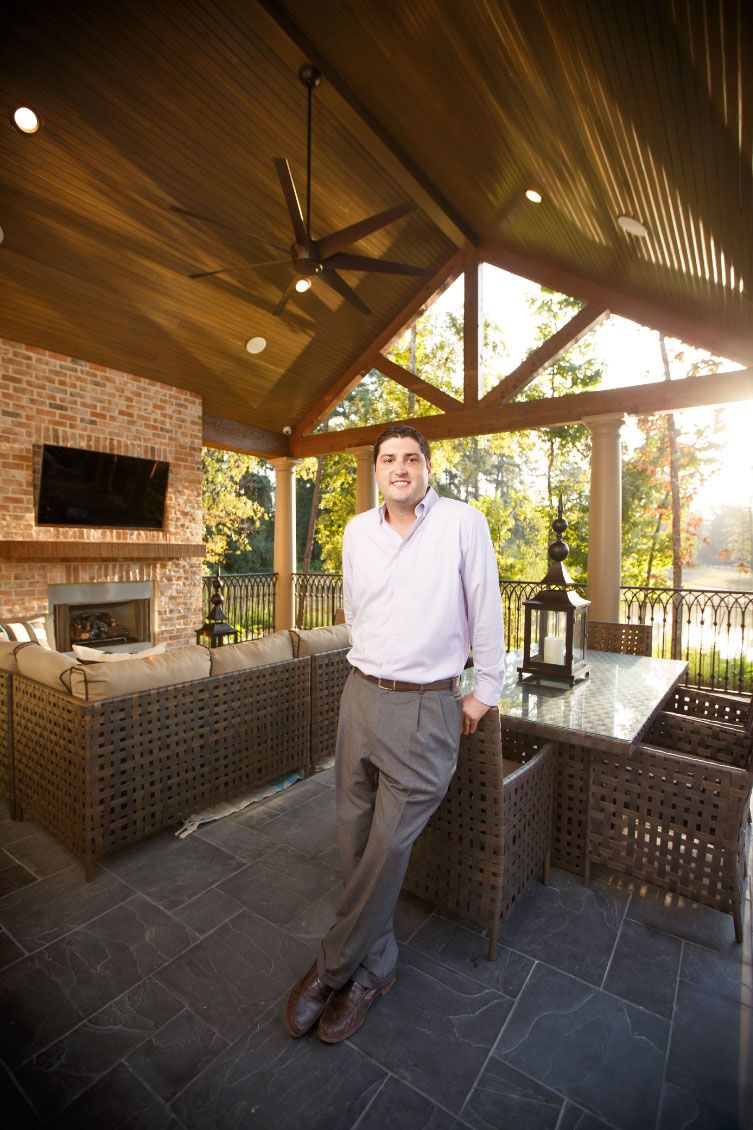
But Frankel Building Group—a family-owned design/build company—has quietly cultivated a top-notch reputation for its steadfast dedication to designing and building homes in the Houston area that achieve LEED just about every time they finish a project. Since shifting their focus to only building Leadership in Energy and Environmental Design (LEED) homes in 2010, Frankel Building has constructed an impressive 100 homes pursuing LEED, with about 90 of them already certified, according to Scott Frankel, 34, the younger of two sons who joined their father Jim in the family business in 2006.
What most people don’t know is that the founder, Jim Frankel, and his sons Scott and Kevin, veered onto the path of building only green homes by accident. No one would call them tree-huggers or diehard environmentalists. Sure, they care about the environment, but that was not the driver behind a dramatic shift in the business that Jim Frankel started back in 1967. The impetus to pivot stemmed from a deep concern about designing and building the best high-quality homes that would be both beautiful and sustainable for their clients for decades to come.
Long-term sustainability—or a lack of it—was how Scott Frankel described one of the principal motivators that led to a shift in building practices soon after he and his brother showed up on the scene around 2006. Before joining the family enterprise, Scott spent a few years working for another local builder with no ties to his dad’s business. There, he saw less expensive materials used in home construction, but some of them proved more durable than some of the higher-end components his dad was using in his designs back then, recalls Frankel.
”At the time, builders like my dad were using custom products that were expensive and beautiful, but they weren’t sensitive to the micro-climate we’re in, which is hot and humid,” he describes rather bluntly. It was the same story with high-end doors, floors, and other features that just didn’t hold up to the Texas heat and humidity over the long haul, says Frankel.